I’m often asked how to get singers “off book” for their next concert.

The assumption is that it’s best for a singer not to have lyrics or sheet music in their hands when performing. But is this necessarily a bad thing?

I’m often asked how to get singers “off book” for their next concert.
The assumption is that it’s best for a singer not to have lyrics or sheet music in their hands when performing. But is this necessarily a bad thing?
When Russia recently invaded Ukraine there was an outpouring of support and solidarity. From money and arms, to thoughts and prayers.
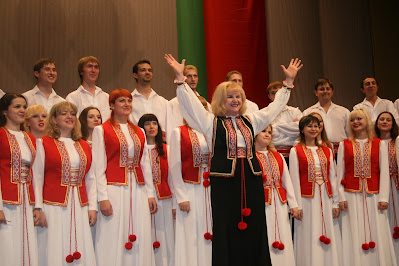
Many choirs have chosen to sing Ukrainian songs as a demonstration of their support. How does this help?
I teach songs from many different cultures, most of which aren’t in English.

Before I teach a song, I need to find out as much as I can about it: who wrote it, what language it’s in, its cultural context, translation into English and so on. Here’s how I go about it.
We often think of traditional songs from other cultures as just “out there” for the taking, to be used freely.

But every song was written by somebody, and every song is rooted in a particular culture and context. This hasn’t always been understood or acknowledged by those who have carried the songs into different contexts.
When does a song have ‘popular’ appeal? When is it entertainment?
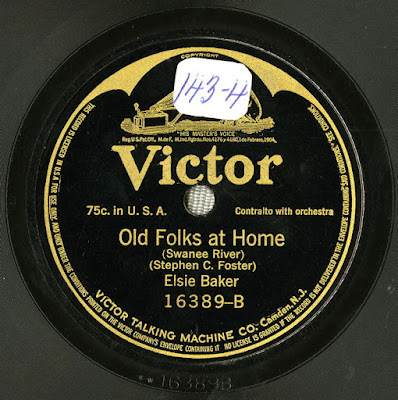
Does ‘popular’ simply mean ‘well known’?
There are many different way of offering lyrics to singers, more so if your choir doesn’t use sheet music.

None of the options are perfect. Let’s look at the pros and cons of each.
What is the minimum you need to get a group of people singing together?

A piano? Sheet music? A baton? Backing tracks? The less you rely on ‘stuff’, the freer and more resilient you become.
There is much talk these days of how singing is good for you, especially singing as part of a group.
But that’s always from the singers’ perspective. We don’t often consider those who lead the singing.
Once you’ve discovered the joys of singing with others, it’s sometimes hard to know when to stop.

Here is a cautionary tale from someone who got rather carried away.
I thought I’d do a round-up of posts I’ve made over the years which are relevant in some way to new beginnings.

Part 1 was last week. This is Part 2.
People often use the New Year as a time for reflection and an opportunity to make fresh starts.

I thought I’d do a round-up of posts I’ve made over the years which are relevant in some way to new beginnings. This is Part 1. Part 2 will follow next week.
I thought I’d do a round-up of posts I’ve made over the years which are relevant in some way to Christmas.

Part one was last week. Here is part two.
I thought I’d do a round-up of posts I’ve made over the years which are relevant in some way to Christmas.
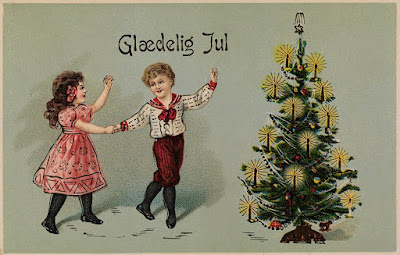
Here is part one. Part two follows next week.
Very occasionally a singer may join your choir who seems to affect everyone negatively.

They are somehow ‘toxic’ and affect the whole choir. Here’s how you can deal with such a person.
This week Mary Denn writes a guest post which introduces the Japanese concept of “the space between.”

Since singing is a universal form of expression, other cultures can offer different insights into how we approach it.
As David Burbidge pointed out in his recent guest post about choir leadership styles, some singers end up putting their choir leaders on pedestals.

And even if you resist that extreme, it’s easy to forget that they have a life outside choir and music. Choir leaders are as vulnerable and human as you are.
Or … “Who’s in charge of your choir?” (answer: it’s not you!)

I often hear from choir leaders about singers who point out to them that they’re not doing their job right. Is this ever justified?
This week, David Burbidge writes a guest post about leadership in choirs.

Is it possible to be in charge without diminishing those you are trying to lead? David believes you can be empowered as a leader whilst also empowering those you lead.
There are times, especially during the pandemic, when there are no choir events or concerts coming up.

But you need to keep your singing business in the public eye or people will forget you. Here are some ideas you might try.
Rounds are often seen as a simple way into harmony singing.

But I would argue that they’re not that simple and aren’t a good way to introduce harmony. Here’s why.
