We’ve all been there: we’re feeling a bit rough, but we soldier on any way.

photo by Peter Reed
A big concert is coming up so we can’t let people down. But is that the right way to think?

We’ve all been there: we’re feeling a bit rough, but we soldier on any way.
A big concert is coming up so we can’t let people down. But is that the right way to think?
An interesting question popped up on a Facebook group: How do you teach harmony parts to your singers?

There were several different approaches, some of them using recordings or keyboards. Here is how I do it.
We had a concert recently where pretty much every song went wrong in some way.

Yet we ended up having a fantastic evening and the audience enjoyed it enormously. How is that possible?
There are several singing groups in the US, UK and beyond which specialise in bringing songs of comfort to the dying.

You may have heard of the Threshold Choir network in the US. Here in the UK we have Companion Voices founded by Judith Silver in 2014. I asked Judith to write this guest post to tell us more about her work in this area.
A choir concert is never 100% perfect. There are usually one or two minor errors, or even big mistakes.

But what might feel like a huge disaster on stage is often not noticed by your audience.
I wrote last week about what to do when important singers are missing and a concert is due.

I mentioned the drawbacks of singers relying on others in their section to know their part. I’d like to go into that in a bit more detail.
It’s the final rehearsal on the day of your big concert. You realise that several important singers are missing.

What can you do? Here are a few ideas.
Are you a singer? Or are you “learning to be a singer”, or “wanting to be a singer”, or “trying to be a singer”, or “starting out as a singer”?
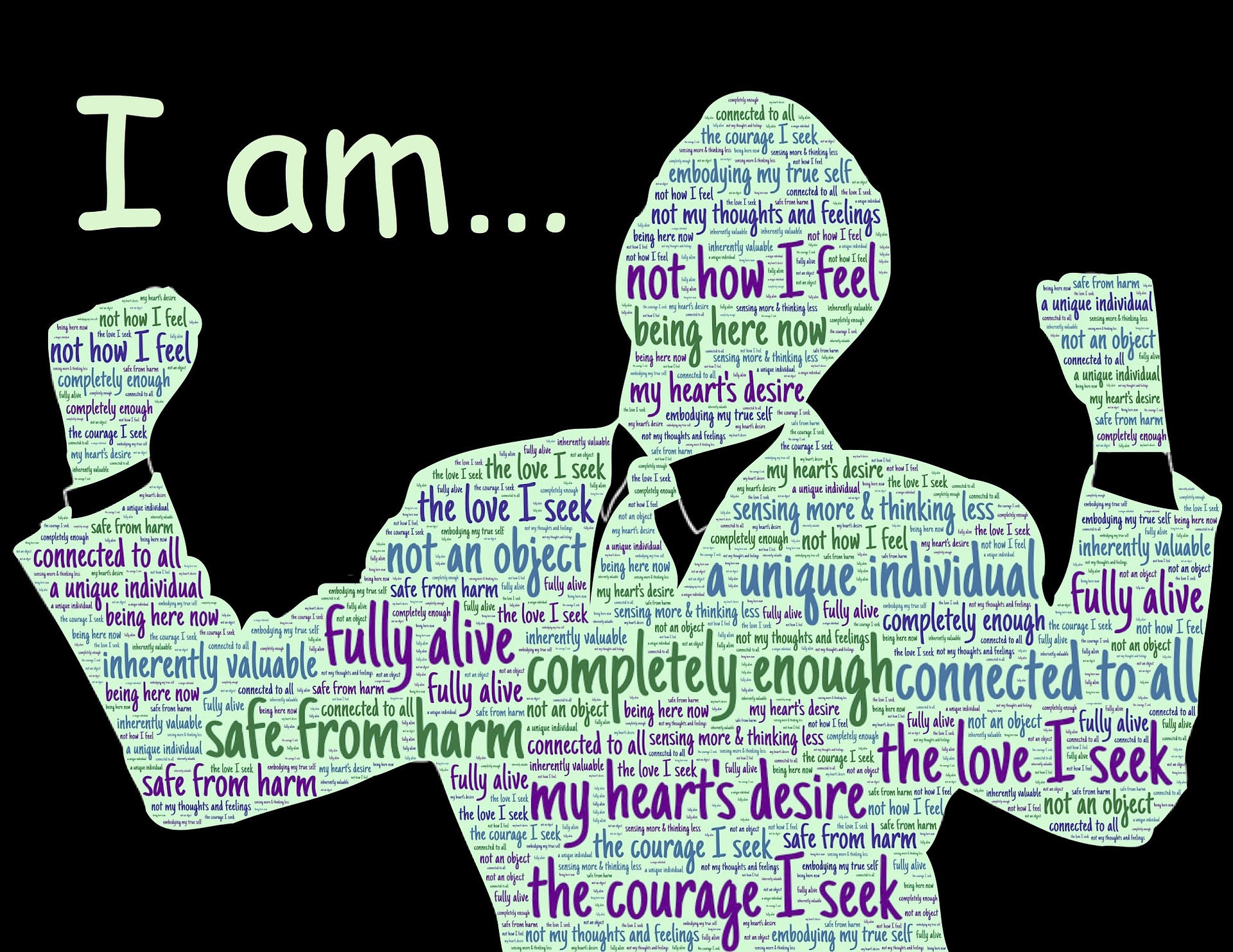
Maybe it’s time to step up and claim your identity.
If you regularly attend singing workshops or have ever been in more than one choir, it’s inevitable that you will encounter a song you already know.

Apart from zoning out, what’s the best thing to do when someone wants to teach you a song you already know?
I believe that proper preparation for singing is vital.
.JPG)
But sometimes I forget to explain why to singers who come to my one-off sessions. This is what I should remember to tell them.
Many singers in community choirs choose for themselves which part they sing. They are not allocated a part by having a vocal range test.

This might work for a while, but what if you’ve chosen the wrong part? Also, voices change over time. Maybe it’s time to change parts?
Being in a choir and singing with others is very controlled. There are other voices to blend and balance with, and fixed harmonies to follow.

But from time to time I believe it’s important to really let your voice soar.
It might be your singer’s water bottle or conductor’s baton. We all have something important that enables us to do our singing.

What happens if you lose it or it breaks?
Choirs are often on the lookout for new singers. Some even offer free trials before singers commit.

But what happens if that influx of new people doesn’t stay? What has gone wrong? Let’s look at some possibilities.
I am due to lead a singing weekend in a few weeks. My first in over two years.

The other night I had an anxiety dream about it. Here’s what I learnt.
Since the Russian invasion began a few weeks ago, many choirs have been showing their support for Ukraine by singing Ukrainian songs.

However, many have been sung in English translation, rather than the Ukrainian original. Why might that be?
I’m often asked how to get singers “off book” for their next concert.
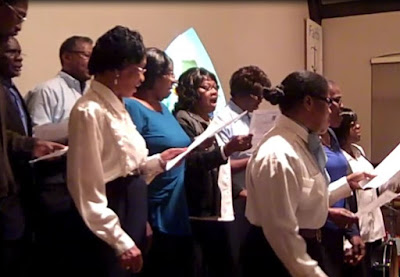
The assumption is that it’s best for a singer not to have lyrics or sheet music in their hands when performing. But is this necessarily a bad thing?
When Russia recently invaded Ukraine there was an outpouring of support and solidarity. From money and arms, to thoughts and prayers.
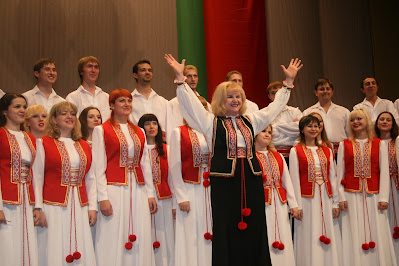
Many choirs have chosen to sing Ukrainian songs as a demonstration of their support. How does this help?
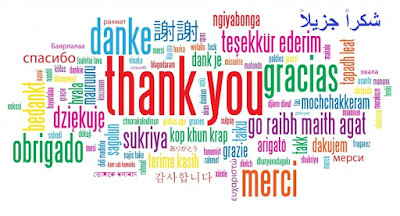
I teach songs from many different cultures, most of which aren’t in English.

Before I teach a song, I need to find out as much as I can about it: who wrote it, what language it’s in, its cultural context, translation into English and so on. Here’s how I go about it.
We often think of traditional songs from other cultures as just “out there” for the taking, to be used freely.
But every song was written by somebody, and every song is rooted in a particular culture and context. This hasn’t always been understood or acknowledged by those who have carried the songs into different contexts.