When you have a salaried job and get sick, you can usually claim sick pay for a day off.

But if you’re running a choir and are self-employed, what happens then? Do your singers still need to pay?

When you have a salaried job and get sick, you can usually claim sick pay for a day off.
But if you’re running a choir and are self-employed, what happens then? Do your singers still need to pay?
I thought I’d share a few vocal exercises that I use to help singers tune in to a cappella harmony.

I often integrate these into the warm up sessions to get people listening more closely before we move on to learning harmony songs.
We’ve all been there: we’re feeling a bit rough, but we soldier on any way.

A big concert is coming up so we can’t let people down. But is that the right way to think?
An interesting question popped up on a Facebook group: How do you teach harmony parts to your singers?

There were several different approaches, some of them using recordings or keyboards. Here is how I do it.
We had a concert recently where pretty much every song went wrong in some way.

Yet we ended up having a fantastic evening and the audience enjoyed it enormously. How is that possible?
There are several singing groups in the US, UK and beyond which specialise in bringing songs of comfort to the dying.

You may have heard of the Threshold Choir network in the US. Here in the UK we have Companion Voices founded by Judith Silver in 2014. I asked Judith to write this guest post to tell us more about her work in this area.
A choir concert is never 100% perfect. There are usually one or two minor errors, or even big mistakes.

But what might feel like a huge disaster on stage is often not noticed by your audience.
I wrote last week about what to do when important singers are missing and a concert is due.

I mentioned the drawbacks of singers relying on others in their section to know their part. I’d like to go into that in a bit more detail.
It’s the final rehearsal on the day of your big concert. You realise that several important singers are missing.

What can you do? Here are a few ideas.
Are you a singer? Or are you “learning to be a singer”, or “wanting to be a singer”, or “trying to be a singer”, or “starting out as a singer”?
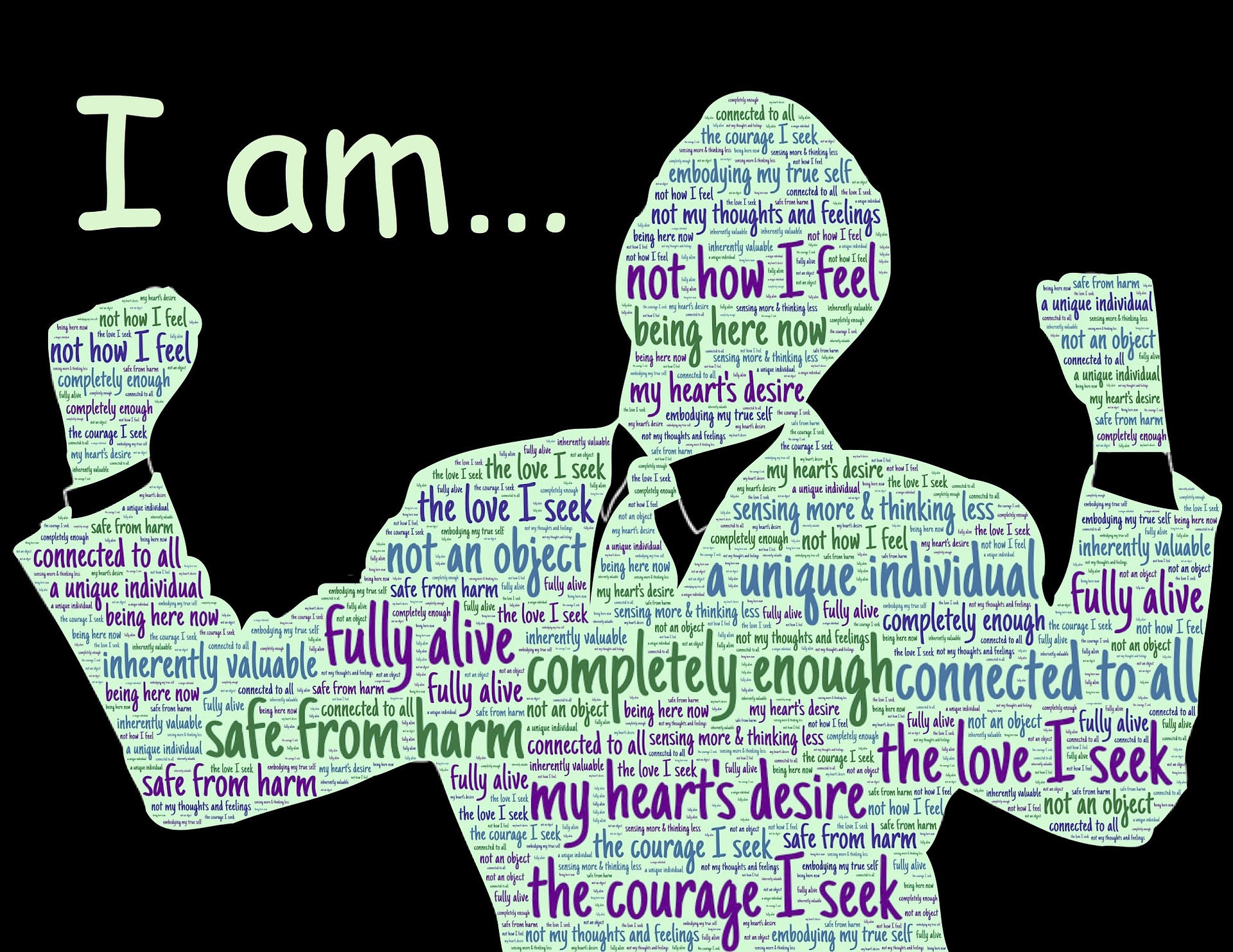
Maybe it’s time to step up and claim your identity.
If you regularly attend singing workshops or have ever been in more than one choir, it’s inevitable that you will encounter a song you already know.

Apart from zoning out, what’s the best thing to do when someone wants to teach you a song you already know?
I believe that proper preparation for singing is vital.
.JPG)
But sometimes I forget to explain why to singers who come to my one-off sessions. This is what I should remember to tell them.
Many singers in community choirs choose for themselves which part they sing. They are not allocated a part by having a vocal range test.

This might work for a while, but what if you’ve chosen the wrong part? Also, voices change over time. Maybe it’s time to change parts?
Being in a choir and singing with others is very controlled. There are other voices to blend and balance with, and fixed harmonies to follow.

But from time to time I believe it’s important to really let your voice soar.
It might be your singer’s water bottle or conductor’s baton. We all have something important that enables us to do our singing.

What happens if you lose it or it breaks?
Choirs are often on the lookout for new singers. Some even offer free trials before singers commit.

But what happens if that influx of new people doesn’t stay? What has gone wrong? Let’s look at some possibilities.
I am due to lead a singing weekend in a few weeks. My first in over two years.

The other night I had an anxiety dream about it. Here’s what I learnt.
Since the Russian invasion began a few weeks ago, many choirs have been showing their support for Ukraine by singing Ukrainian songs.

However, many have been sung in English translation, rather than the Ukrainian original. Why might that be?
I’m often asked how to get singers “off book” for their next concert.
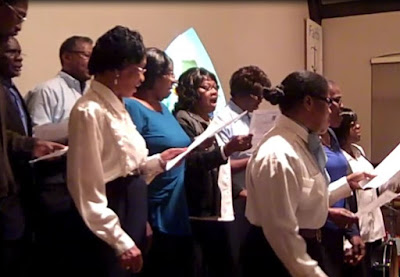
The assumption is that it’s best for a singer not to have lyrics or sheet music in their hands when performing. But is this necessarily a bad thing?
When Russia recently invaded Ukraine there was an outpouring of support and solidarity. From money and arms, to thoughts and prayers.
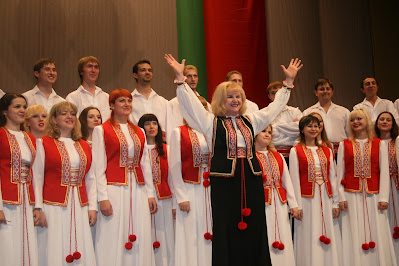
Many choirs have chosen to sing Ukrainian songs as a demonstration of their support. How does this help?
I teach songs from many different cultures, most of which aren’t in English.

Before I teach a song, I need to find out as much as I can about it: who wrote it, what language it’s in, its cultural context, translation into English and so on. Here’s how I go about it.
We often think of traditional songs from other cultures as just “out there” for the taking, to be used freely.

But every song was written by somebody, and every song is rooted in a particular culture and context. This hasn’t always been understood or acknowledged by those who have carried the songs into different contexts.
When does a song have ‘popular’ appeal? When is it entertainment?
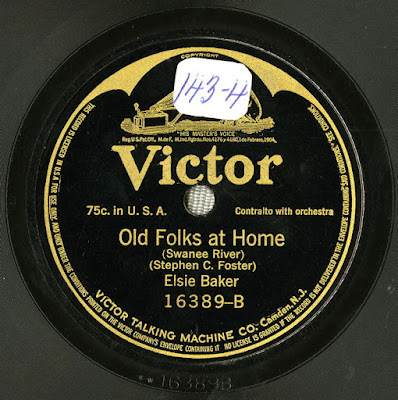
Does ‘popular’ simply mean ‘well known’?
There are many different way of offering lyrics to singers, more so if your choir doesn’t use sheet music.

None of the options are perfect. Let’s look at the pros and cons of each.
What is the minimum you need to get a group of people singing together?

A piano? Sheet music? A baton? Backing tracks? The less you rely on ‘stuff’, the freer and more resilient you become.
There is much talk these days of how singing is good for you, especially singing as part of a group.
But that’s always from the singers’ perspective. We don’t often consider those who lead the singing.
Once you’ve discovered the joys of singing with others, it’s sometimes hard to know when to stop.

Here is a cautionary tale from someone who got rather carried away.
I thought I’d do a round-up of posts I’ve made over the years which are relevant in some way to new beginnings.

Part 1 was last week. This is Part 2.
People often use the New Year as a time for reflection and an opportunity to make fresh starts.

I thought I’d do a round-up of posts I’ve made over the years which are relevant in some way to new beginnings. This is Part 1. Part 2 will follow next week.
I thought I’d do a round-up of posts I’ve made over the years which are relevant in some way to Christmas.

Part one was last week. Here is part two.
I thought I’d do a round-up of posts I’ve made over the years which are relevant in some way to Christmas.

Here is part one. Part two follows next week.
Very occasionally a singer may join your choir who seems to affect everyone negatively.

They are somehow ‘toxic’ and affect the whole choir. Here’s how you can deal with such a person.
This week Mary Denn writes a guest post which introduces the Japanese concept of “the space between.”

Since singing is a universal form of expression, other cultures can offer different insights into how we approach it.
As David Burbidge pointed out in his recent guest post about choir leadership styles, some singers end up putting their choir leaders on pedestals.

And even if you resist that extreme, it’s easy to forget that they have a life outside choir and music. Choir leaders are as vulnerable and human as you are.
Or … “Who’s in charge of your choir?” (answer: it’s not you!)

I often hear from choir leaders about singers who point out to them that they’re not doing their job right. Is this ever justified?
This week, David Burbidge writes a guest post about leadership in choirs.

Is it possible to be in charge without diminishing those you are trying to lead? David believes you can be empowered as a leader whilst also empowering those you lead.
There are times, especially during the pandemic, when there are no choir events or concerts coming up.

But you need to keep your singing business in the public eye or people will forget you. Here are some ideas you might try.
Rounds are often seen as a simple way into harmony singing.

But I would argue that they’re not that simple and aren’t a good way to introduce harmony. Here’s why.
Many choirs have a written constitution and an associated committee.

This is fine when everything is going well, but when something goes wrong, you might find that your constitution is not fit for purpose. Here are some things to think about when you write one for your choir.
Often, as a choir leader, I notice one person who is not quite catching on for some reason.

How do I give that person individual attention when they are just one in a room full of singers? Here are some ideas that might help.
Many of us feel that we have become seriously over-informed about aerosols, droplets and other Covid issues.

But the silver lining is that we are now far more aware of how to help prevent winter colds and flu in our choirs (and Covid of course).
Have you ever wondered why a choir is so like and orange?

Wondering about this is a very useful exercise and can throw up some surprises. Here’s how.
How important is it that the words in songs mean something, or can they be meaningless sounds?

Many choirs sing songs in languages they don’t understand, so does it matter whether lyrics are in a real language?
Not every choir leader suits every singer.

Here are some questions to help you work out what to do if you don’t like your choir leader.
I always, always plan my rehearsals and workshops in great detail, including the warm ups.

But invariably the unexpected happens and my plan goes out the window! Nevertheless, here’s why planning is still vital.
It’s happened to us all: you’re mid-rehearsal and suddenly your mind goes completely blank.

Instead of panicking, here are some things you can do.
Can you trust that your singers will do their best in the concert? Do you trust your choir leader to not harm your voice?

Rather than wait until you feel somebody is ‘trustworthy’, assume that you can trust everyone in your choir and they will rise to the occasion.
One of the most powerful human needs is to be seen and heard.

We all want to feel valued, important and that we matter. Being in a choir does all that and more.
Following on from last week’s post (Can only singers lead choirs, only music readers arrange songs and only musicians be songwriters?), it’s time to consider ‘singers’.

I think most of you know by now that I believe that everyone can sing. I’d like to delve a little deeper into whether you need to be a ‘singer’ in order to sing.
Many choir leaders demonstrate and teach songs by singing them. But can you lead a choir without being able to sing? Similarly, do you need to be able to read music to be a song arranger, or be a musician to write songs?

The simple answer to these questions (I believe) is “No.” Here’s why.
